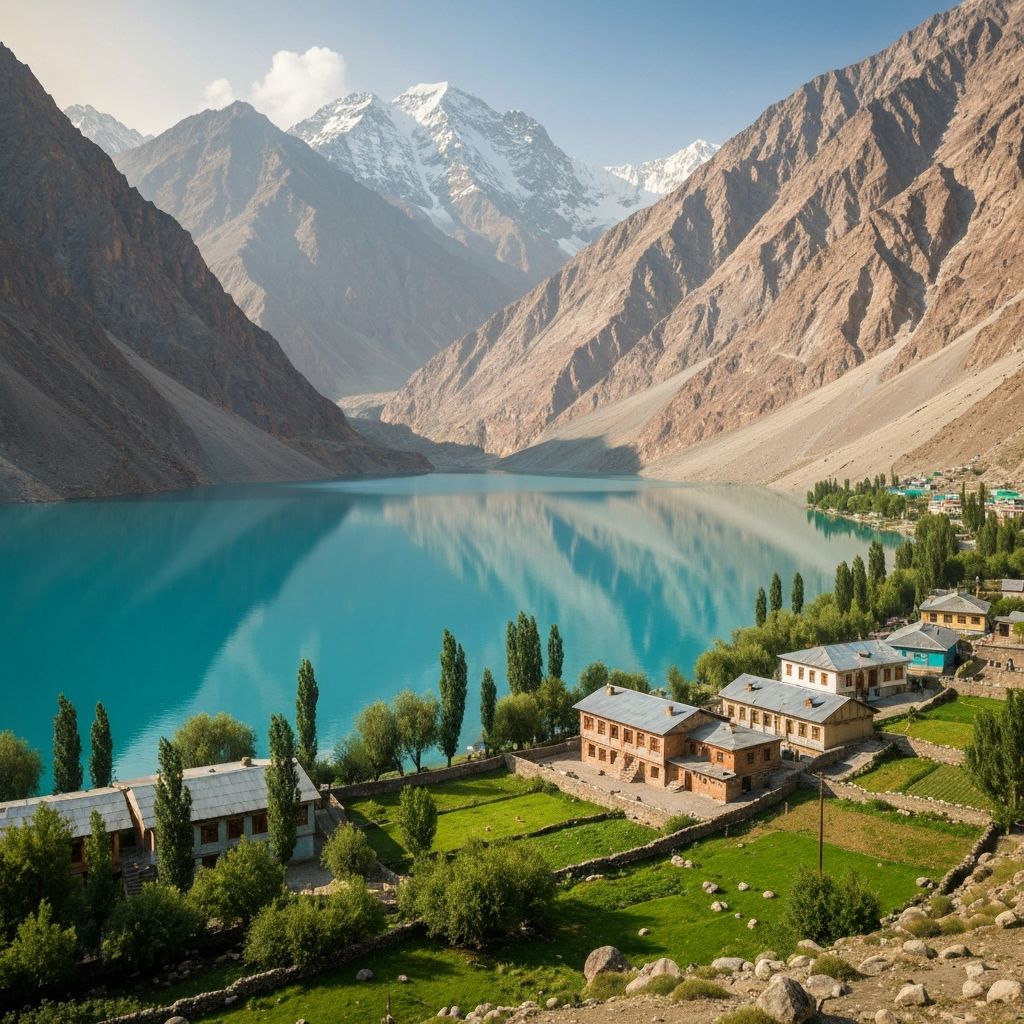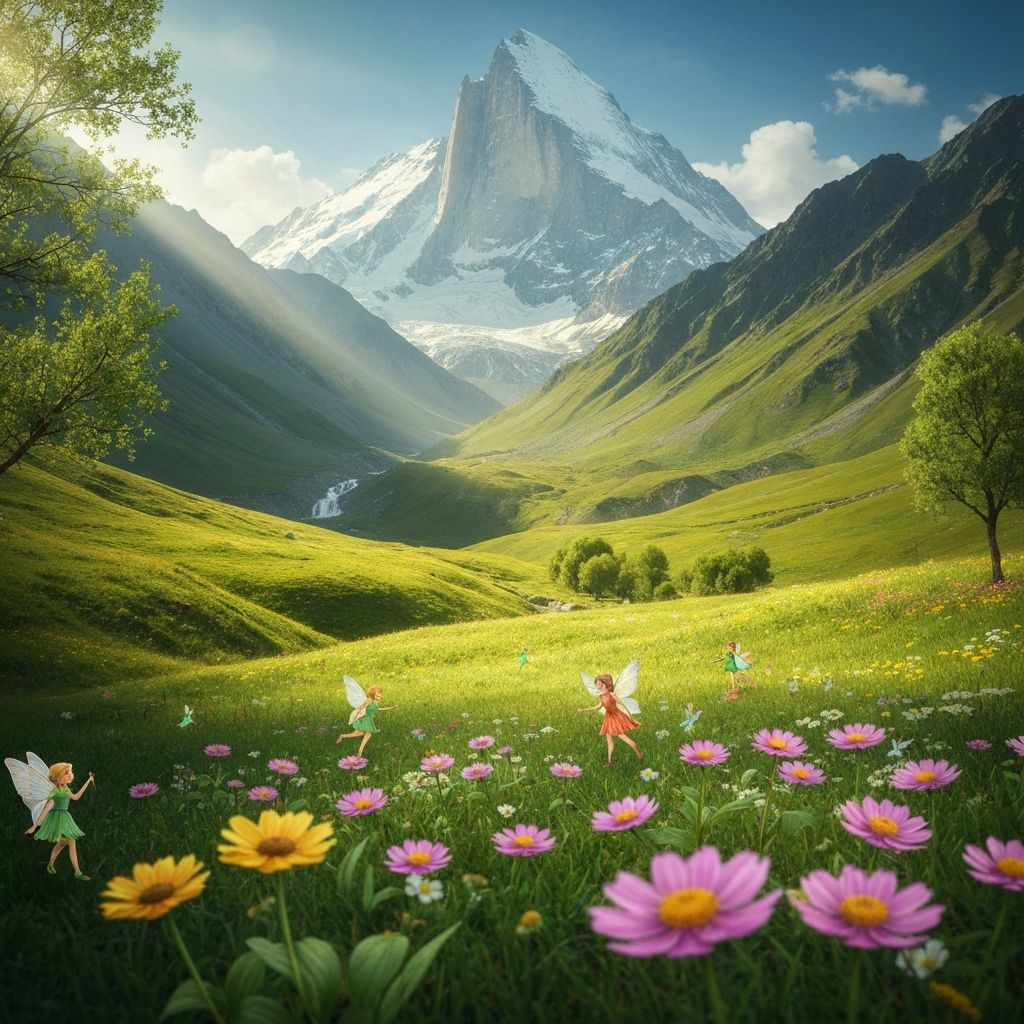
Fairy Meadows, the stunning alpine meadow at the base of Nanga Parbat, offers different experiences throughout the year. Understanding the seasons helps you plan the perfect visit for your interests and abilities.
Late spring (May-June) brings wildflowers carpeting the meadows in a riot of color. The snow has mostly melted at lower elevations, but Nanga Parbat remains dramatically white. This is ideal for photographers and those who want pleasant hiking temperatures.
Summer (July-August) offers the most stable weather and longest days. The meadows are lush and green, and all trails are accessible. This is peak season, so expect more visitors but also the best conditions for camping and extended exploration.
Early autumn (September-October) is arguably the most magical time. The crowds thin, the light turns golden, and clear skies offer unobstructed views of Nanga Parbat. Night temperatures drop significantly, so come prepared for cold evenings.
The journey to Fairy Meadows is part of the adventure. The white-knuckle jeep ride from Raikot Bridge to Tato village takes 2-3 hours, followed by a 3-4 hour trek or short horseback ride to the meadows. The road is only open from late April to early November.
Accommodation ranges from basic camping to comfortable wooden huts. For the best experience, spend at least two nights—this allows for acclimatization and time to explore surrounding trails, including the trek toward Nanga Parbat Base Camp.
Weather can change rapidly at 3,300 meters elevation. Always bring warm layers, rain gear, and sun protection regardless of season. Check forecasts before your visit, but be prepared for anything the mountains might deliver.
The Beyal Camp trek and the viewpoint toward Nanga Parbat Base Camp are must-do excursions from Fairy Meadows. Both offer increasingly dramatic views of the world's ninth-highest peak and the vast glaciers that flow from its flanks.